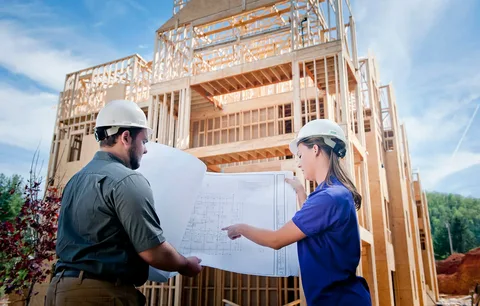
Construction projects require careful planning, clear communication, and reliable coordination. From commercial buildings to property improvements, every stage demands attention to detail. Owners must manage budgets, schedules, contractors, materials, and safety requirements while keeping their project goals in focus. Without a clear plan, small delays can lead to higher costs and unnecessary complications.
Reliable expert construction management helps property owners organize these responsibilities from the early planning stages through project completion. A structured approach allows teams to identify potential challenges, monitor progress, and make informed decisions. Furthermore, effective coordination helps contractors understand their responsibilities and work toward shared deadlines.
Hamel Development, Inc supports construction planning and project coordination for clients seeking organized, practical solutions in Fresno, CA. Understanding local project requirements can help owners prepare for site conditions, permitting procedures, labor needs, and material availability. Projects in nearby Selma, CA, may also require careful scheduling and coordination with local professionals.
However, successful construction involves more than completing work on time. It also requires realistic budgeting, consistent quality checks, clear documentation, and attention to safety. Property owners benefit when they understand these responsibilities before construction begins.
With a well-organized process, clients can track important decisions, address concerns early, and maintain better control over project activities. Therefore, learning how construction management works can help owners set realistic expectations and prepare for a smoother building experience.
Understanding the Role of Construction Management
Construction projects involve several moving parts. Owners must coordinate designers, contractors, suppliers, inspectors, and other professionals. Each participant has specific responsibilities, and delays in one area can affect the entire schedule.
Construction management brings these activities together through organized planning, communication, and oversight. It helps keep project goals, costs, timelines, and quality standards aligned.
How Project Management Supports Construction Success
A construction manager helps organize the work required to move a project from concept to completion. Depending on the agreement, responsibilities may include reviewing plans, coordinating contractors, monitoring schedules, tracking costs, and communicating updates.
For example, a commercial building project may require electrical work, plumbing installations, structural construction, and interior finishing. These activities often depend on one another. If electrical work falls behind schedule, the team may need to adjust other tasks.
An organized management process identifies these dependencies and helps teams respond before delays become more expensive.
Furthermore, clear responsibilities reduce confusion. Contractors understand what they must deliver, while owners receive updates about progress and outstanding decisions.
Why Early Planning Makes a Difference
Early planning allows project teams to identify potential challenges before work begins.
Useful planning activities include:
- Defining project goals and expected outcomes.
- Establishing a realistic preliminary budget.
- Reviewing drawings and project specifications.
- Identifying required permits and inspections.
- Creating a schedule with practical milestones.
Additionally, teams should discuss possible risks, including material shortages, unexpected site conditions, and weather-related interruptions.
Construction management also encourages accurate recordkeeping. Written decisions, updated schedules, and documented changes help prevent misunderstandings.
Ultimately, a strong planning process creates a practical foundation for construction. It helps owners understand their commitments and gives project teams a clearer direction.
Planning and Budgeting for Better Project Outcomes
A construction budget affects almost every project decision. Material selections, labor requirements, equipment rentals, and scheduling choices all influence total expenses. Consequently, owners should establish financial expectations before approving major work.
A reliable budget also needs enough flexibility to address unexpected conditions without disrupting essential project goals.
How Reliable Construction Management Improves Cost Control
Reliable construction management service gives project teams a structured way to monitor expenses and compare actual costs with the approved budget. This process can reveal financial concerns before they affect the entire project.
For instance, a commercial renovation may uncover damaged structural components after demolition. The team must assess the issue, determine the necessary repairs, and explain the financial impact to the owner.
Clear communication helps owners understand available options before approving additional expenses.
Five practical budgeting steps can support better decisions:
- Prepare a detailed estimate: Separate labor, materials, equipment, permits, and other expected expenses.
- Set aside a contingency: Reserve funds for reasonable, unforeseen costs.
- Track commitments: Record approved purchases, contractor agreements, and outstanding payments.
- Review changes: Evaluate the cost and schedule impact before authorizing additional work.
- Update forecasts: Compare spending against the budget throughout the project.
Moreover, owners should understand what each contractor’s estimate includes. Some proposals may exclude site preparation, disposal, permits, or specific finishing tasks.
Balancing Cost, Quality, and Long-Term Value
The lowest initial price does not always provide the best overall value. Inexpensive materials may require more maintenance, while rushed installation can create future repair expenses.
Therefore, project teams should evaluate durability, maintenance requirements, warranties, and suitability for the building’s intended use.
A clear approval process also protects the budget. Before making substitutions or design changes, owners should review the consequences for cost, appearance, performance, and completion dates.
This balanced approach helps property owners make informed financial decisions without sacrificing essential quality standards.
Coordinating Commercial Construction Services
Commercial construction requires cooperation among several trades and service providers. General contractors, subcontractors, architects, engineers, and suppliers must work within an agreed plan.
When coordination breaks down, teams may experience scheduling conflicts, material delays, and repeated work. Strong communication helps reduce these problems and keeps responsibilities clear.
Choosing Commercial Construction Services Near You
When searching for reliable commercial construction services near me, property owners should look beyond price alone. The right provider should understand the project’s scope, communicate clearly, and demonstrate relevant experience.
Five practical considerations can help with contractor selection:
- Relevant experience: Review completed projects that resemble your proposed building or renovation.
- Licensing and insurance: Verify applicable California licensing requirements and appropriate insurance coverage.
- Written estimates: Request clear descriptions of work, materials, exclusions, and payment terms.
- Project communication: Ask how the contractor shares progress updates and handles unexpected issues.
- References and documentation: Review client references, relevant credentials, and examples of completed work.
Additionally, owners should establish who will coordinate subcontractors, order materials, arrange inspections, and approve changes.
Keeping Contractors and Suppliers Aligned
A shared construction schedule helps each participant understand when work should begin and what must happen first. For example, interior finishing generally depends on the completion and inspection of relevant mechanical, electrical, and plumbing work.
Regular meetings can identify obstacles and assign responsibility for resolving them. Meanwhile, written progress reports help owners follow important developments without relying on informal conversations.
Project teams should also maintain updated drawings and specifications. When everyone uses the same approved information, the risk of conflicting instructions decreases.
Ultimately, coordinated planning helps commercial projects operate more efficiently and gives owners a clearer understanding of progress.
Maintaining Quality and Construction Site Safety
Quality control protects a building’s functionality, durability, and long-term value. It also helps teams identify defects before they become more difficult or expensive to correct.
However, quality does not depend on a final inspection alone. Teams should check materials, workmanship, and compliance throughout the construction process.
Establishing Clear Quality Standards
Before work begins, project participants should understand the approved plans, specifications, applicable building codes, and expected workmanship standards.
Five practical quality-control measures can improve consistency:
- Review specifications: Confirm that materials and installation methods meet project requirements.
- Inspect completed work: Check relevant stages before covering or concealing components.
- Document deficiencies: Record problems clearly and assign responsibility for corrections.
- Verify corrective work: Confirm that identified issues have been addressed appropriately.
- Maintain records: Keep inspection reports, approved changes, warranties, and relevant certificates organized.
Furthermore, owners should confirm who has authority to approve completed work. This prevents disagreements about whether a particular stage meets the agreed requirements.
Making Safety Part of Daily Operations
Construction sites present risks involving equipment, elevated work areas, electrical systems, moving vehicles, and material handling. Therefore, contractors must follow applicable safety regulations and maintain appropriate site procedures.
A practical safety plan may include worker training, protective equipment, controlled access, hazard reporting, and regular site inspections.
Meanwhile, clear communication helps workers understand changing site conditions. If a hazard appears, the responsible team should address it promptly and follow established procedures.
Project managers should also coordinate inspections and maintain accurate documentation. These practices support accountability and help teams respond to safety concerns.
Consistent quality checks and safety planning create a more organized work environment. They also help protect workers, property owners, visitors, and the long-term performance of the finished building.
Managing Construction Timelines and Project Challenges
A realistic construction schedule identifies the tasks required to complete a project and the order in which those tasks should occur. It also accounts for approvals, inspections, deliveries, and coordination between trades.
Without proper scheduling, teams may arrive before the site is ready or wait for materials needed to continue their work.
Using Construction Management to Reduce Delays
Professional construction management in Selma, CA helps project teams monitor milestones, identify dependencies, and respond to scheduling problems.
For example, a delayed material shipment may affect installation dates and subsequent finishing work. Early communication allows the team to evaluate alternatives and revise the schedule where appropriate.
Five practical scheduling measures can help maintain progress:
- Set achievable milestones: Divide the project into clear stages with realistic completion dates.
- Confirm material availability: Check lead times before finalizing installation schedules.
- Coordinate trade activities: Arrange work in the correct sequence to reduce conflicts.
- Monitor progress regularly: Compare completed work against the current schedule.
- Document schedule changes: Explain delays, revised dates, and the actions required to recover time.
Additionally, teams should distinguish between minor disruptions and problems that could affect the overall completion date.
Responding to Unexpected Project Conditions
Construction plans sometimes change after work begins. Site conditions may differ from initial expectations, design details may require clarification, or inspections may identify necessary corrections.
When these issues arise, the project team should explain the problem, evaluate possible solutions, and communicate any cost or schedule implications.
Owners should receive enough information to make informed decisions. Written approvals help ensure that everyone understands the agreed changes.
Regular progress meetings also provide opportunities to review outstanding tasks, discuss upcoming activities, and assign responsibility for unresolved issues.
By maintaining an updated schedule and a clear decision-making process, project teams can respond to challenges without losing sight of the project’s main objectives.
Conclusion
Successful construction projects depend on more than skilled labor and suitable materials. They require careful planning, realistic budgeting, consistent communication, and ongoing attention to quality and safety. Property owners who understand these responsibilities can make better decisions and prepare for potential challenges.
In Fresno, CA, and nearby Selma, CA, commercial property owners should evaluate project requirements before selecting contractors or approving construction plans. Reviewing credentials, comparing detailed estimates, establishing clear responsibilities, and documenting important decisions can help reduce misunderstandings.
Furthermore, reliable commercial construction services in Fresno, CA should align with the property’s purpose, budget, and long-term maintenance needs. Owners should ask practical questions about scheduling, permits, subcontractor coordination, insurance, inspections, and change orders before work begins.
Hamel Development, Inc can be a starting point for property owners researching construction-related project support. Before entering an agreement, prospective clients should confirm the company’s current service offerings, relevant experience, licensing where applicable, and responsibilities under the proposed contract.
It also helps to maintain realistic expectations. Weather, material availability, approval requirements, and unexpected site conditions can influence construction timelines. A transparent management process makes these challenges easier to understand and address.
Ultimately, informed planning and dependable coordination help owners maintain better oversight throughout a construction project. By prioritizing clear agreements, documented decisions, and consistent progress reviews, property owners can work toward a completed building that meets their practical needs and established project requirements.
FAQs
What does construction management include?
Construction management may include project planning, budgeting, contractor coordination, scheduling, quality monitoring, safety oversight, and progress reporting. Exact responsibilities depend on the agreement.
Why should commercial property owners plan their budgets early?
Early budgeting helps owners estimate costs, allocate funds, compare proposals, and prepare for unexpected expenses before construction begins.
How can I evaluate a commercial construction contractor?
Review relevant experience, applicable licensing, insurance, written estimates, references, communication practices, and the contractor’s proposed project schedule.
What commonly causes construction delays?
Material shortages, weather, permit approvals, design changes, unexpected site conditions, and poor coordination can affect construction schedules.
Is construction management useful for renovation projects?
Yes. It can help coordinate contractors, control costs, monitor progress, document changes, and maintain quality during commercial renovations.