Skip to content
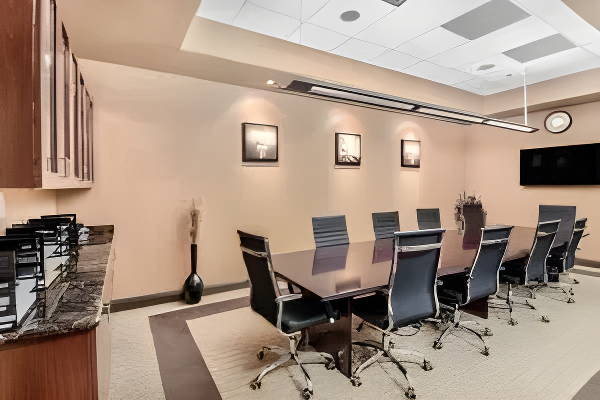
Building a dental office is nothing like building a regular commercial space. The plumbing alone could make a seasoned contractor sweat. If you’re a dentist planning a new practice or relocating an existing one — premium dental practice construction in Sanger CA demands a builder who understands operational layouts, vacuum lines, and infection-control standards as fluently as they understand concrete and steel. That’s exactly the kind of specialized work Hamel Development, Inc has built its reputation on across Fresno County, turning empty shells and aging suites into clinical spaces patients trust and dentists love working in.
Most people assume construction is construction. It isn’t. A dental build-out lives or dies on the details hidden behind the walls. Get those wrong, and you’re tearing out drywall six months after opening. Get them right, and your practice runs smoothly for two decades.
Let me walk you through what genuinely matters when you build a dental practice the right way.
Why Dental Construction Is a Different Animal Entirely
A retail store needs a floor, lights, and a counter. A dental office needs all of that plus a hidden nervous system of utilities feeding every single operator .
Each treatment room requires compressed air, central vacuum, water, drainage, electrical, and often nitrous and oxygen lines. Multiply that across four, six, or eight operatories and you’re coordinating hundreds of connection points that all have to land in precise spots beneath the chairs. A few inches off, and the equipment won’t mount correctly.
This is where general commercial construction and healthcare facility construction part ways. I’ve seen practices hire a generalist contractor to save money, only to spend twice the budget fixing rough-in mistakes. Medical office construction has its own language, and the contractor needs to speak it before the first stud goes up.
The utilities you can’t see do the heavy lifting
Vacuum and air compressor systems sit at the heart of any dental practice. They’re usually tucked into a mechanical room, and their placement affects noise, maintenance access, and line length to each chair. Shorter, smarter runs mean better suction and fewer headaches later.
Plumbing for dental offices also carries unique demands. Amalgam separators are required to meet environmental regulations, and the drainage has to handle clinical waste correctly. A commercial plumbing contractor who’s never touched a dental project will miss these requirements entirely.
Electrical loads that surprise first-time owners
Dental equipment pulls serious power. Sterilizers, compressors, vacuum pumps, digital imaging, and CBCT scanners all need dedicated circuits with the right amperage. Commercial electrical installation in a dental setting isn’t just outlets on a wall — it’s a carefully balanced load map designed around the exact equipment you plan to buy.
Choosing the Right Commercial Construction Partner in Sanger CA
The contractor you choose shapes everything: your timeline, your budget, and whether you open on schedule or limp toward a delayed launch. Sanger CA sits in a corner of Fresno County where local knowledge genuinely matters, because permitting and inspections move at their own pace here.
A strong commercial general contractor brings three things to the table — relevant healthcare experience, real relationships with local building departments, and a transparent process that keeps you informed without burying you in jargon.
When dentists ask me how to vet a builder, I tell them to look past the polished website. Ask to see completed dental or medical projects. Ask how they handle change orders. Ask who actually shows up on site every day. The answers reveal whether you’re hiring a true partner or a company that’ll disappear after the deposit clears.
Design-build versus the traditional path
You’ll generally choose between two delivery methods, and the difference is bigger than most owners realize.
The traditional route separates your designer from your builder. You hire an architect, finalize plans, then bid the project out to contractors. It works, but it can create finger-pointing when problems surface — the designer blames the builder, the builder blames the design.
Design-build construction puts both under one roof. One team handles drawings, engineering, and construction together, which tightens coordination and usually shortens the schedule. For dental practices, where equipment specs and construction details are deeply intertwined, this integrated approach tends to save real time and money. Hamel Development leans into this model precisely because dental work rewards tight collaboration.
Tenant improvement or ground-up build?
Many Sanger CA dentists start in leased space, which means tenant improvement contractors transform an existing suite into a clinic. This is the faster, more affordable path for most new practices, and a skilled commercial build-out crew can make a generic shell feel custom-designed for dentistry.
Others want full control and choose ground-up commercial construction — building the entire structure from the foundation up. It costs more and takes longer, but you get a building engineered around your practice from day one. Both paths work; the right choice depends on your budget, growth plans, and how much you value ownership.
The Construction Process, Start to Finish
Understanding the sequence helps you set realistic expectations. A dental build-out generally moves through planning, permitting, rough-in, finishes, and equipment installation — each phase building on the last.
Phase one: planning and commercial space planning
Everything begins with a smart layout. Commercial space planning for a dental office balances patient flow, staff efficiency, and code requirements. Where does the front desk sit? How do patients move from the waiting room to the operating room without crossing paths with sterilization? These decisions, made early, define how your practice feels for years.
Good planning also accounts for growth. Maybe you open with four operatories but rough plumbing for six. That foresight saves a fortune when you expand.
Phase two: permits and building code compliance
This is where local expertise earns its keep. Building code compliance for healthcare spaces is stricter than standard commercial work, and ADA compliance upgrades are non-negotiable — accessible restrooms, doorway widths, and approach clearances all get scrutinized.
A contractor who knows Fresno County’s process pulls permits faster and avoids the costly redesigns that come from misreading local requirements. I’ve watched projects stall for weeks because an out-of-area builder didn’t understand how Sanger CA-area inspections actually work.
Phase three: rough-in and the structural backbone
Now the hidden systems go in. Plumbing, electrical, mechanical, and specialty dental utilities all get installed before walls close up. If structural steel construction or commercial concrete services are part of the project, they happen here too, forming the bones everything else hangs on.
This phase is unforgiving. Mistakes buried in the walls become expensive to fix later, which is exactly why dental experience matters so much during rough-in.
Phase four: finishes and equipment integration
Then come the finishes that patients actually see — flooring, cabinetry, paint, lighting, and the clinical casework that holds your equipment. Energy-efficient commercial building practices show up here too, with LED lighting and HVAC systems that cut your operating costs month after month.
Finally, your equipment vendors install the chairs, imaging, and sterilization gear, coordinating closely with the construction team to ensure every connection lands perfectly.
What Premium Construction Actually Costs You
Owners always want a number, and I understand why. But dental construction pricing depends on operational count, finish level, whether it’s a tenant improvement or ground-up build, and the equipment you select.
What I can tell you is that “cheap” construction almost always costs more over time. The American Dental Association has long noted that practice build-out is one of a dentist’s largest startup investments, and skimping on it tends to backfire. Cut corners on infrastructure, and you’ll pay for it in repairs, downtime, and frustrated staff.
Premium doesn’t mean overpriced. It means doing the work correctly the first time, with quality materials and proper coordination, so your practice runs reliably for decades. That’s the difference between an expense and an investment.
Where smart owners spend and where they save
Spend on the infrastructure you can’t easily change — plumbing, electrical, vacuum, and structural elements. These are the bones of the building, and redoing them later is brutal.
Save, where it makes sense, on cosmetic elements you can upgrade over time. A waiting room can get nicer chairs next year. A buried vacuum line can’t be moved without tearing into your floor. Prioritize the permanent over the decorative, and your budget stretches further.
Building Beyond Dentistry: A Full-Service Commercial Approach
While dental practices demand specialized skill, the broader strength of a great contractor shows in versatility. A commercial construction company that handles medical office construction, retail construction services, office renovation, and healthcare facility construction brings cross-disciplinary lessons to every project.
That range matters. A builder fluent in commercial remodeling, tenant improvement, and commercial interior remodeling has solved more problems and learned more lessons than a one-trick shop. When your dental project hits an unusual snag — and they all do — that depth of experience becomes your safety net.
Hamel Development serves Sanger CA and the surrounding Fresno County region with exactly this kind of breadth, backed by the dental-specific focus that premium practice construction requires.
Conclusion
Building a premium dental practice in Sanger CA comes down to one decision made well: choosing a contractor who treats your project like the specialized work it truly is. The hidden systems, the code requirements, the equipment coordination — these aren’t details to delegate to a generalist. They’re the foundation of a practice that serves patients smoothly for twenty years and more.
Plan thoughtfully, prioritize the infrastructure you can’t see, and partner with a team that speaks the language of dental construction. Do that, and you’ll open the doors to a practice you’re proud of — one built right from the ground up.
When you’re ready to start, Hamel Development, Inc brings the local knowledge, healthcare construction expertise, and design-build precision your Sanger CA practice deserves. Reach out, share your vision, and let an experienced commercial construction team turn it into a space that works as beautifully as it looks.
Frequently Asked Questions
How long does dental practice construction take in Sanger CA?
A tenant improvement build-out typically runs three to five months, while ground-up commercial construction can take eight months to a year or more. Timelines depend on operatory count, permitting speed, and how quickly equipment arrives. Working with a local contractor who knows Fresno County permitting helps keep things on schedule.
What’s the difference between dental construction and regular commercial construction?
Dental construction requires specialized utilities at every operatory — compressed air, central vacuum, water, drainage, and often nitrous lines — plus stricter code and infection-control standards. Regular commercial work rarely involves this density of hidden systems, which is why dental-experienced contractors matter so much.
Should I lease and do a tenant improvement, or build ground-up?
Most new practices choose tenant improvement because it’s faster and more affordable, transforming leased space into a custom clinic. Ground-up construction costs more and takes longer but gives you complete control and ownership of a building engineered around your practice. Your budget and growth plans usually decide.
Why is design-build a good fit for dental projects?
Design-build construction places design and construction under one team, tightening coordination between architectural plans and the equipment-driven details a dental office demands. This integration typically shortens timelines, reduces costly miscommunication, and produces a smoother build from start to finish.
How much does premium dental practice construction cost?
Costs vary widely based on operatory count, finish level, build type, and equipment. Rather than chasing the lowest bid, focus on quality infrastructure done right the first time. Cheap construction often costs more long-term through repairs and downtime, so treat the build as an investment in decades of reliable operation.
Does the contractor handle permits and ADA compliance?
A qualified commercial general contractor manages permitting and ensures full building code and ADA compliance, including accessible restrooms, doorways, and clearances. Local experience speeds this process considerably, since healthcare construction faces stricter scrutiny than standard commercial projects.
Can one contractor handle both construction and equipment coordination?
Yes. An experienced dental construction team coordinates closely with your equipment vendors so plumbing, electrical, and vacuum connections align perfectly with your chairs, imaging, and sterilization gear. This coordination prevents the costly mismatches that plague poorly managed projects.