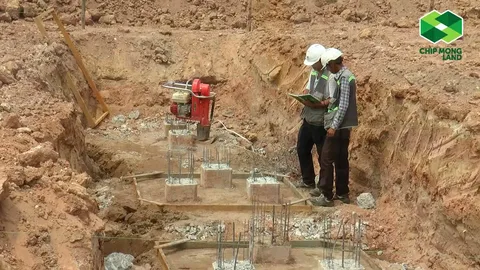
Starting a new commercial building from an undeveloped or cleared site requires careful control from the first planning decision. Professional Ground-Up Development Services bring site preparation, design coordination, permitting, scheduling, subcontractor management, and construction into one organized process. When these steps align, owners can make better decisions about budget, building function, access, and long-term property use.
Hamel Development, Inc works on commercial and healthcare construction projects across Central California, including ground-up development. A successful project may involve commercial ground-up construction, new commercial construction, and site development from early planning through completion.
Unlike a renovation, a ground-up project starts with fewer existing building constraints. However, it also requires more early decisions. Owners must think about utilities, site access, drainage, building placement, permitting, structural systems, and future operations before major construction begins. Therefore, a clear development plan can prevent expensive changes after work is underway.
Why Ground-Up Projects Need Early Planning
A new building gives owners greater control over layout, systems, circulation, and future use. Still, that flexibility only creates value when the project starts with a realistic plan. Early decisions influence design, permits, site work, utilities, and construction sequencing.
Building Around Real Operational Needs
Effective commercial ground-up construction starts by defining how the finished property will function. A medical office, retail building, professional workspace, and specialty facility each have different requirements.
Owners should review:
- Building size and intended use
- Vehicle and pedestrian access
- Utility availability
- Parking and loading needs
- Future expansion possibilities
A thoughtful site development plan also considers grading, drainage, utility connections, and access before vertical construction begins. Meanwhile, early construction planning and permitting can reveal approval requirements that affect the schedule.
These decisions should support the full construction process rather than exist as separate tasks. When planning, design, and field work connect properly, the project team can reduce avoidable conflicts and keep decisions tied to the owner’s business goals.
What Ground-Up Development Services Include
Ground-up development involves much more than constructing walls and a roof. The process connects preconstruction decisions with site work, permitting, scheduling, subcontractor coordination, inspections, and final completion.
Core Phases of a New Commercial Build
Reliable Ground-Up Development Services may include several coordinated stages based on project scope. Hamel Development confirms that its ground-up service can include planning, site evaluation, permitting coordination, and construction management.
Key phases commonly include:
- Initial project and site evaluation
- Design and consultant coordination
- Permit and approval planning
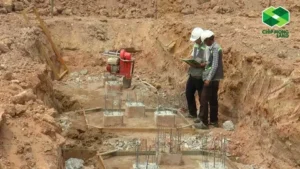
- Site preparation and utility work
- Building construction and closeout
Professional new commercial construction requires the project team to understand how one phase affects the next. For example, utility planning can influence site layout, while design changes may affect permitting or material lead times.
Likewise, construction planning and permitting should begin early enough to identify local requirements and approval steps.
Strong coordination helps owners see the full project rather than managing isolated pieces of work.
Evaluating a Commercial Site Before Construction
The quality of a new building depends partly on how well the site supports the proposed use. Therefore, site evaluation should happen before owners finalize major design or construction decisions.
Five Site Questions Worth Answering Early
Before beginning expert Ground-Up Development Services, owners and project teams should review:
- Is the property suitable for the intended building use?
- Where will utilities connect to the site?
- How will vehicles and pedestrians enter and exit?
- What grading or drainage work may be necessary?
- Are there site conditions that could affect construction sequencing?
For businesses considering site development in Clovis, CA, local permitting, building requirements, access, and property conditions should all be part of the early conversation. The Clovis page identifies ground-up commercial projects among the company’s local construction capabilities.
Careful planning establishes a practical foundation for later work. Likewise, commercial ground-up construction benefits when the building footprint and site circulation are resolved before field activity accelerates.
The goal is not simply to prepare land for a structure. Good evaluation connects the property, building design, utilities, parking, drainage, and future business operations into one workable plan.
Managing Permits, Design, and Project Coordination
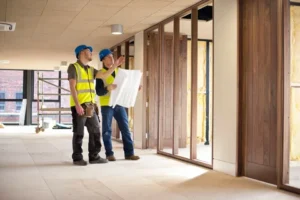
Commercial development usually requires decisions from several parties, including owners, designers, consultants, inspectors, subcontractors, and local authorities. Without organized coordination, small delays can affect later phases.
Keeping Preconstruction Decisions Connected
Trusted Ground-Up Development Services should maintain clear communication between planning and construction.
Five coordination priorities include:
- Tracking design decisions
- Identifying permit requirements
- Reviewing schedules and milestones
- Coordinating consultants and subcontractors
- Resolving conflicts before they reach the field
Good construction planning and permitting gives the team a clearer path into construction. However, permits are only one part of preparation. Design details, material selections, site logistics, and construction sequencing also need attention.
A well-managed new-build project should also account for decision deadlines. Late changes can affect cost, procurement, inspections, and trade coordination.
Therefore, owners benefit from a defined communication process. The project team should explain what decisions are needed, when they are needed, and how each choice affects the next stage of development.
Controlling Quality During Commercial Construction
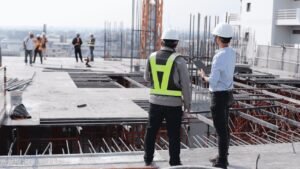
Once field work begins, the project moves from planning into active construction. At that point, schedule control, site supervision, trade coordination, and quality checks become increasingly important.
Five Areas That Influence Construction Performance
During professional Ground-Up Development Services, project teams should monitor:
- Work sequencing between trades
- Material delivery timing
- Field conditions and changes
- Inspection requirements
- Quality at key construction stages
Strong commercial building construction management helps different trades work in the correct sequence. For example, framing, mechanical, electrical, plumbing, and finish work must fit the same design and schedule.
Likewise, ground-up work requires timely responses when field conditions differ from plans. Clear documentation and communication help the team resolve issues without losing sight of budget and schedule priorities.
Owners should receive useful progress information rather than vague status updates. Photos, milestone reviews, schedule discussions, and documented decisions can make project progress easier to understand.
Planning a Building for Long-Term Business Use
A commercial project should serve more than immediate opening-day needs. Building layout, infrastructure, access, and system capacity can affect how well the property supports the business over time.
Designing With Future Operations in Mind
Certified Ground-Up Development Services should consider how the facility may need to adapt after construction.
Owners can think about:
- Future staffing or customer growth
- Equipment and technology needs
- Flexible interior layouts
- Maintenance access
- Possible expansion or changing uses
For businesses exploring commercial building construction in Visalia, CA, planning for daily operations can help ensure the completed space supports both current and future needs. Hamel Development’s Visalia page covers new commercial projects, site preparation, permitting, and construction coordination.
Thoughtful new commercial construction gives owners an opportunity to design around workflow instead of adapting to an existing building. Likewise, good commercial building construction planning can make mechanical, electrical, and service areas easier to maintain.
Hamel Development, Inc. also provides healthcare and commercial construction work in Visalia. A long-term view helps owners use new-build flexibility wisely.
Conclusion
Ground-up development gives commercial property owners the chance to create a building around specific operational, structural, and long-term goals. However, that flexibility comes with many connected decisions. Site conditions, design, utilities, permits, scheduling, procurement, inspections, and trade coordination all influence the final result.
A successful project begins with careful site development and a clear understanding of how the property will function. From there, coordinated construction planning and permitting can help identify requirements before they disrupt field work.
Owners should also approach commercial ground-up construction as a complete process rather than a collection of separate tasks. Design decisions affect construction, site choices affect utilities, and schedule changes can affect multiple trades.
For organizations planning reliable new commercial construction in Clovis, CA, early communication and realistic planning can make the project easier to manage from concept through completion. The same principle applies throughout Central California.
Ultimately, a well-managed project should create a functional property that supports daily operations, future growth, and long-term maintenance. Hamel Development, Inc. provides ground-up and commercial construction services across its Central California service areas. Careful coordination throughout development gives owners a stronger foundation for a successful building project.
FAQ’s
What is ground-up development?
Ground-up development is the process of creating a new building from the site and planning stages through complete construction rather than renovating an existing structure.
What happens before construction starts?
Preconstruction may include site evaluation, design coordination, budgeting, permitting, utility planning, scheduling, and preparation for site work.
Why is site evaluation important for a commercial project?
Site evaluation helps identify access, utilities, drainage, grading, building placement, and other conditions that may affect design or construction.
Can ground-up development support medical or healthcare buildings?
Yes. Ground-up development can support medical offices, clinics, healthcare facilities, and other commercial properties when the design addresses their operational requirements.
How can owners reduce delays during a new commercial build?
Early decisions, organized permitting, realistic scheduling, clear communication, and timely coordination between designers, contractors, and owners can reduce avoidable delays.