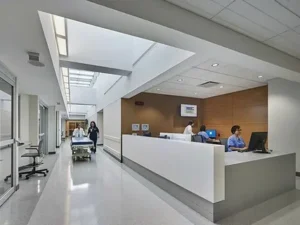

Running a healthcare practice in a building that fights you every single day is exhausting. Cramped waiting rooms, outdated exam spaces, and layouts that ignore patient flow quietly drain your revenue — and that’s exactly where affordable clinic renovation services in Sanger, CA make the difference. At Hamel Development, Inc, we’ve watched practices transform tired, inefficient spaces into modern, code-compliant clinics that patients actually enjoy walking into, without the budget-busting price tag most owners fear.
This guide walks you through what clinic renovation really involves, what drives the cost, and how to get the most value from every dollar you spend. Whether you run a family practice, a dental office, or a specialty clinic, the goal is the same: a space that works as hard as you do.
Why Clinic Renovation Matters More Than Most Owners Realize
A clinic isn’t just a building. It’s a clinical instrument. The way rooms connect, how patients move through intake, and where your staff stand all shape the quality of care you deliver.
Many Sanger practices operate out of buildings designed decades ago for entirely different uses — old retail storefronts, repurposed offices, or aging medical suites that never kept pace with modern standards. The result? Bottlenecks, privacy issues, and rooms that feel smaller than they should.
Renovation fixes the structural reasons behind those daily frustrations. Healthcare facility construction has evolved dramatically, and even modest upgrades to layout, lighting, and infection-control surfaces can lift both patient satisfaction and operational efficiency.
There’s also a financial side worth naming plainly. According to industry research from the healthcare design sector, well-planned medical environments can measurably reduce patient stress and shorten perceived wait times. A calmer patient is a more loyal patient — and loyalty is what keeps a clinic full.
The Hidden Cost of Waiting Too Long
Putting off a renovation rarely saves money. It usually does the opposite.
Deferred repairs compound. A small plumbing issue becomes water damage. An outdated electrical panel becomes a code violation. An inaccessible entrance becomes an ADA liability. When you finally renovate, you’re paying to fix neglect on top of the original project.
We’ve seen clinics in Fresno County delay upgrades for years, only to face emergency repairs that cost far more than a planned remodel ever would. Acting early, with a clear scope, is almost always the cheaper path.
What “Affordable” Actually Means in Clinic Renovation
The word “affordable” gets thrown around loosely, so let’s define it honestly. Affordable doesn’t mean cheap materials or cut corners. It means smart sequencing, transparent pricing, and a renovation plan matched to your real needs rather than a wish list.
A good commercial renovation contractor helps you separate the must-haves from the nice-to-haves. You might need new flooring, updated exam rooms, and ADA-compliant restrooms now — while a full façade redesign can wait a year or two.
This is where experience pays off. At Hamel Development, Inc, we build renovation plans in phases when budgets are tight, so practices keep running and cash flow stays healthy. You’re never forced to choose between affordability and quality.
Where Your Renovation Dollars Go
Understanding cost drivers helps you make better decisions. Most clinic remodels concentrate spending in a few predictable areas.
Mechanical, electrical, and plumbing work usually takes the largest share, since medical spaces demand more outlets, dedicated circuits, and reliable water and HVAC systems than a typical office. Specialized surfaces — antimicrobial flooring, seamless wall finishes, and easy-clean countertops — add cost but pay off in hygiene and durability.
Then there’s compliance. Building code compliance and ADA compliance upgrades aren’t optional, and they’re often the part owners underestimate. A skilled commercial general contractor folds these requirements into the design from day one, so they don’t surface later as expensive surprises.
Key Areas of a Clinic Worth Renovating
Not every square foot deserves equal attention. The smartest renovations focus on the spaces that shape patient experience and clinical performance most directly.
Reception and Waiting Areas
First impressions form fast. A cramped, dim waiting room signals neglect before a patient ever meets a provider. Opening up the layout, improving lighting, and adding comfortable seating changes the entire tone of a visit.
Sound matters too. Privacy at the front desk is both a courtesy and a HIPAA consideration, so thoughtful reception design protects patients while making the space feel calm.
Exam and Treatment Rooms
This is the heart of the clinic. Exam rooms should support efficient workflows — sink placement, equipment access, and clear sightlines all influence how smoothly a provider works.
Medical office construction has standardized many best practices here, from optimal room dimensions to durable, sanitizable surfaces. Even modest updates to these rooms tend to deliver the highest return on a renovation budget.
Restrooms, Hallways, and Accessibility
Accessibility isn’t just a legal box to check. It’s a reflection of how welcome every patient feels. Wider doorways, accessible restrooms, and clear circulation paths serve patients with mobility needs and parents with strollers alike.
A commercial building contractor experienced in healthcare knows the ADA standards cold and designs these elements correctly the first time, sparing you costly rework.
The Renovation Process, Step by Step
A renovation feels overwhelming until you see it broken into clear stages. Here’s how a well-managed clinic project typically unfolds.
Step 1: Assessment and Consultation
Everything starts with understanding your space, your goals, and your budget. A walkthrough reveals structural realities — what can be moved, what can’t, and where the real opportunities lie. This is also when honest conversations about cost happen, so there are no surprises later.
Step 2: Design and Planning
Next comes the design-build phase, where layout, finishes, and engineering come together. Commercial space planning is especially important in clinics, since a few inches in the wrong place can disrupt an entire workflow. Strong upfront planning prevents expensive mid-project changes.
Step 3: Permitting and Compliance Review
Before any demolition, plans go through permitting and code review. Healthcare spaces face stricter standards than most commercial buildings, so this stage protects you legally and structurally. An experienced commercial general contractor manages this process so you don’t have to.
Step 4: Construction and Project Management
This is where the plan becomes real. Good commercial project management keeps the timeline tight, coordinates trades, and minimizes disruption to your practice. Many clinics stay partially open during phased work, which keeps revenue flowing while crews progress.
Step 5: Final Walkthrough and Handover
Before you reopen fully, a detailed walkthrough confirms everything meets spec and code. Punch-list items get resolved, systems get tested, and you receive a space that’s ready for patients on day one.
Choosing the Right Renovation Partner in Sanger
The contractor you choose shapes the entire experience. Healthcare renovation is a specialty, not a side gig, and the difference between a generalist and a healthcare-focused builder shows up in the details.
Look for a team with genuine commercial construction experience in medical environments. Ask about past clinic projects, how they handle compliance, and how they manage budgets when surprises appear — because in renovation, surprises always appear behind a wall somewhere.
Local knowledge counts as well. A contractor familiar with Sanger and the broader Fresno County region understands regional permitting, soil conditions, and supplier networks. That local fluency keeps projects moving and costs predictable. As local commercial construction experts, our team has built deep familiarity with what Central Valley healthcare practices need.
Questions Worth Asking Before You Sign
A short, pointed conversation reveals a lot. Ask how they price tenant improvement work, whether they offer design-build services under one roof, and how they communicate during construction. A contractor who answers clearly and confidently is usually one who delivers the same way.
You should also confirm licensing, insurance, and a track record of finishing on time. Affordable means nothing if a project drags on for months and bleeds your budget through delays.
Smart Ways to Keep Your Renovation Affordable
Affordability is engineered, not stumbled into. A few deliberate choices protect your budget without compromising the result.
Phasing the work lets you spread costs over time while keeping the clinic operational. Prioritizing high-impact areas — exam rooms, reception, accessibility — ensures your money goes where patients notice it most. And choosing durable, low-maintenance materials reduces long-term repair costs, which matters as much as the upfront price.
Energy efficiency deserves a mention too. Upgrading lighting, HVAC, and insulation during a remodel lowers monthly operating costs for years. Energy-efficient commercial buildings cost a little more to outfit and far less to run — a trade most owners are glad they made.
Conclusion
A clinic renovation isn’t an expense to dread. It’s an investment in smoother operations, happier patients, and a practice that’s built to grow. The right upgrades pay you back through efficiency, loyalty, and a space that finally supports the care you provide.
The key is partnering with a team that understands both healthcare and your budget. When affordability, compliance, and quality come together under one roof, renovation stops feeling risky and starts feeling like progress.
If you’re ready to explore affordable clinic renovation services in Sanger, CA, the team at Hamel Development, Inc is here to help you plan a project that fits your goals and your budget. Reach out for a consultation, and let’s turn your current space into a clinic your patients — and your bottom line — will thank you for.
Frequently Asked Questions
How much does a clinic renovation cost in Sanger, CA?
Costs vary widely based on size, scope, and the systems involved. A focused remodel of exam rooms and reception costs far less than a full gut renovation. The best approach is a detailed assessment so you receive an honest, itemized estimate rather than a vague ballpark.
How long does a typical clinic renovation take?
Most clinic remodels run from a few weeks to several months, depending on scope and permitting. Phased projects may take longer overall but allow your practice to stay partially open, which protects revenue during construction.
Can my clinic stay open during the renovation?
In many cases, yes. With careful phasing and strong project management, crews can work in sections while you continue seeing patients in unaffected areas. This depends on your layout, but it’s often achievable with good planning.
Do clinic renovations require special permits?
Yes. Healthcare spaces face stricter building code and ADA requirements than standard commercial spaces. A qualified commercial general contractor handles permitting and compliance, so your project stays legal and inspection-ready throughout.
What’s the difference between renovation and tenant improvement?
Renovation updates an existing space you occupy, while tenant improvement typically adapts a leased space to your specific needs. Both involve similar trades, and an experienced tenant improvement contractor can guide you on which path fits your situation.
How do I keep my renovation affordable without cutting quality?
Phase the work, prioritize high-impact areas, and choose durable materials that lower long-term maintenance. Working with a transparent commercial renovation contractor who plans around your budget is the surest way to stay affordable.
Why choose a local contractor for clinic renovation?
Local builders understand regional permitting, supplier networks, and Central Valley conditions. That familiarity keeps timelines tight and costs predictable, which is exactly what affordable, dependable renovation depends on.