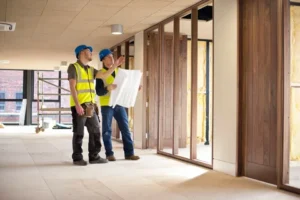
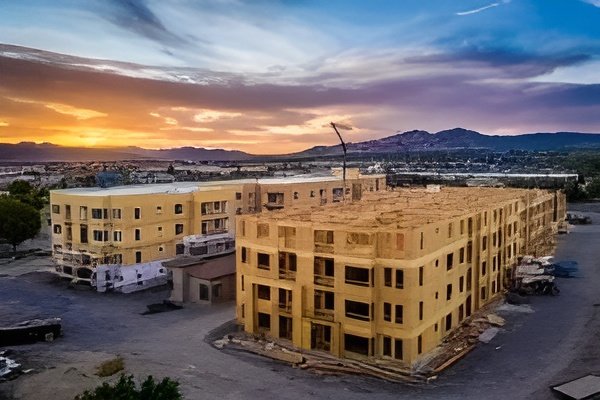
Building a medical office is nothing like building a regular commercial space. One wrong move on airflow, accessibility, or licensing, and a project that looked finished on paper can stall for months. That’s exactly why professional doctor office construction in Fresno, CA demands a builder who understands both the blueprint and the patient walking through the door. At Hamel Development, Inc, we’ve spent years helping physicians, dental groups, and outpatient clinics turn empty shells and outdated suites into clean, code-compliant, patient-ready spaces across Fresno County.
This guide walks you through how medical office construction actually happens — the planning, the codes, the build-out decisions, and the small details most contractors miss. Whether you’re opening your first practice or expanding into a second location, you’ll know what to expect before the first wall goes up.
Why Medical Office Construction Is a Different Game Entirely
Most people assume a doctor’s office is just a nicer version of a regular office. It isn’t. A standard commercial build-out cares about square footage and finishes. A medical build-out cares about infection control, patient flow, equipment loads, and a stack of regulations that don’t apply anywhere else.
Think about it like building a kitchen versus building a restaurant kitchen. Both have counters and sinks. Only one has health inspectors, grease traps, and ventilation rules that can shut you down. Healthcare facility construction lives in that second world — higher stakes, tighter rules, less room for error.
In California, that complexity goes up another level. Many medical and surgical spaces fall under HCAi (formerly OSHPD) oversight, which sets strict structural and seismic standards. Even projects that don’t require full HCAi review still face rigorous building code compliance, ADA compliance upgrades, and specialized mechanical requirements. A general contractor who treats your clinic like a retail store will cost you time, money, and possibly your opening date.
The Hidden Costs of Hiring the Wrong Builder
I’ve walked into half-finished projects where another crew framed exam rooms before checking ceiling heights for medical equipment. Tearing that out isn’t cheap. Choosing experienced commercial construction contractors who specialize in medical office construction saves you from these expensive do-overs.
The right team plans for plumbing in places you didn’t know you’d need it, electrical loads for imaging equipment, and corridors wide enough for gurneys. These aren’t upgrades. In a medical space, they’re the baseline.
Planning Your Doctor Office Build From the Ground Up
Great medical spaces start long before construction. They start with how patients and staff move through the building. Get the flow right, and the practice runs smoothly for a decade. Get it wrong, and you’ll feel the friction every single day.
Smart Doctor Office Construction in Fresno, CA maps three journeys at once: the patient path, the staff path, and the clinical path. Patients should move from entrance to check-in to exam without crossing back through staff areas. Clinical staff need quick access between rooms without disrupting the waiting area. When these overlap badly, even a beautiful office feels chaotic.
Designing for Patient Experience and Staff Efficiency
A well-designed waiting room does quiet work. Natural light, clear sightlines to the front desk, and a calm layout lower patient anxiety before they ever see a doctor. Behind the scenes, a tight nurse station, well-placed supply storage, and short walking distances keep your team from burning energy on wasted steps.
This is where design-build construction shines. Instead of handing a designer’s drawings to a separate builder and hoping nothing gets lost, design-build keeps everything under one roof. The people drawing the plan talk daily with the people pouring the concrete. Fewer surprises. Faster decisions. One point of accountability.
Choosing Between a Build-Out and Ground-Up Construction
Most Fresno practices face one of two paths. The first is a tenant improvement or commercial build-out, where you transform existing space inside a building you’re leasing. This is faster and usually cheaper, and it’s where many tenant improvement contractors do their best work.
The second is ground-up commercial construction, where you build the entire structure on raw land. This gives you total control over layout, parking, and future expansion — but it takes longer and costs more. The right choice depends on your budget, timeline, and how long you plan to stay put.
Codes, Compliance, and the Rules You Can’t Skip
Here’s the part nobody enjoys but everyone needs to respect. Medical construction is governed by layers of regulation, and skipping any of them isn’t an option. This is where a seasoned commercial general contractor earns their fee.
ADA compliance shapes nearly every dimension in your space — door widths, ramp slopes, restroom layouts, counter heights, and parking. A single non-compliant detail can fail inspection. Beyond accessibility, building code compliance covers fire safety, occupancy limits, egress paths, and structural integrity, all of which carry extra weight in a healthcare setting.
Then there’s the medical-specific layer: infection control protocols, specialized HVAC for air quality and pressure relationships, hands-free fixtures, and surfaces that hold up to constant cleaning and disinfection. These aren’t decorative choices. They’re clinical requirements that protect patients and keep you licensed.
Working With Inspectors and Permitting in Fresno County
Permitting in Fresno County moves at its own pace, and rushing it backfires. Experienced commercial construction services build the permitting timeline into the project from day one, submitting complete documentation that gives inspectors fewer reasons to send you back.
A contractor with local relationships and a clear understanding of regional requirements moves your project through review faster. That local knowledge is one of the biggest reasons practices choose builders rooted in Fresno and nearby communities like Clovis, rather than out-of-area firms learning the rules on your dime.
The Construction Process, Step by Step
Once plans are approved, the real work begins. Knowing the sequence helps you set realistic expectations and spot problems early.
Site Preparation and Structural Work
Every build starts with the bones. For ground-up projects, that means site development, foundations, and often structural steel construction to create a frame strong enough to carry medical equipment and meet seismic standards. For build-outs, it means demolition, then framing new walls to match your approved layout. Commercial concrete services handle flooring substrates that need to bear heavy loads and resist moisture.
Mechanical, Electrical, and Plumbing Systems
This phase is the heart of a medical build. Commercial electrical installation runs power for exam lights, imaging equipment, data lines, and backup systems. Commercial plumbing services place sinks, sterilization stations, and lab connections exactly where clinical workflow demands. The HVAC system gets engineered for filtration, humidity control, and the air-quality standards that ordinary offices never worry about.
Sequencing matters enormously here. These systems hide inside walls and ceilings, so they have to be inspected and signed off before finishes go in. Strong commercial project management keeps these trades coordinated so nobody installs over someone else’s unfinished work.
Finishes, Fixtures, and Final Inspection
The last stretch is where the space starts looking like a real practice. Flooring, cabinetry, wall protection, casework, and lighting all go in. Surfaces get chosen for durability and easy sanitizing, not just appearance. Then comes the final inspection gauntlet — building, electrical, plumbing, mechanical, and accessibility — before you receive the certificate that lets you open your doors.
What Sets a Professional Medical Construction Partner Apart
Plenty of companies advertise commercial construction services. Far fewer truly understand healthcare. The difference shows up in the questions a contractor asks before quoting your project.
A specialist asks about your equipment list, your projected patient volume, your future growth, and the specific specialties you’ll practice. They think about lead times for medical-grade materials and how to phase work if you’re renovating an active office. A generalist asks about square footage and finishes, then figures out the rest as they go.
According to industry-standard practice, healthcare construction projects carry significantly more regulatory and coordination complexity than typical commercial work, which is precisely why specialization isn’t a luxury here — it’s protection for your investment. The best commercial building contractors treat your timeline as sacred, because every week of delay is a week your practice isn’t generating revenue.
This is the standard we hold ourselves to. From medical office construction and tenant improvements to full ground-up healthcare facilities, our focus stays fixed on delivering spaces that are compliant, efficient, and built to serve patients for years.
Conclusion
A doctor’s office has more than four walls and a reception desk. It’s the environment where patients feel cared for and where your team does its best work. Building it well takes a partner who respects both the medicine and the code book.
If you’re planning professional doctor office construction in Fresno, CA, the smartest first step is a conversation with builders who’ve done it before — people who understand HCAi standards, ADA requirements, patient flow, and the rhythm of Fresno County permitting. That’s the work we do every day at Hamel Development, Inc, and we’d be glad to help you build a space your patients and your staff will appreciate for a long time to come.
Frequently Asked Questions
How long does it take to build a medical office in Fresno, CA?
Timelines vary by project type. A tenant improvement or build-out often takes a few months, while ground-up commercial construction can run considerably longer due to site work, structural requirements, and permitting. A clear project plan from your contractor gives you the most accurate estimate for your specific space.
Do I need special permits for medical office construction in California?
Yes. Beyond standard building permits, many medical and surgical spaces in California fall under HCAi (formerly OSHPD) oversight, and all face strict ADA and building code compliance. An experienced commercial general contractor handles this permitting process for you.
What’s the difference between a build-out and ground-up construction?
A build-out, or tenant improvement, transforms existing leased space and is usually faster and more affordable. Ground-up construction builds an entire structure from raw land, offering full control over layout and expansion but requiring more time and budget.
Can construction happen while my practice stays open?
Often, yes. Skilled commercial renovation contractors can phase the work, sealing off active construction zones and scheduling disruptive tasks around your hours so you can keep seeing patients during a remodel.
How much does medical office construction cost in Fresno County?
Cost depends on size, finishes, equipment needs, and whether it’s a build-out or ground-up project. Because medical spaces require specialized systems and compliance work, they typically cost more per square foot than standard offices. A detailed, itemized estimate is the only reliable way to know your number.
Do you handle design and construction together?
We use a design-build approach that keeps design and construction under one roof. This reduces miscommunication, speeds up decisions, and gives you a single point of accountability from the first sketch to the final inspection.
Why hire a local Fresno or Clovis contractor instead of an out-of-area firm?
Local commercial construction experts understand Fresno County permitting, regional code interpretations, and the area’s inspectors and suppliers. That familiarity moves your project faster and helps avoid the costly delays that come when an outside firm learns the local system on your time.