Skip to content
Planning a commercial construction project involves more than design and materials. One of the first questions people ask is simple but important: how much will it cost? The answer depends on several factors, including project size, complexity, materials, labor, and construction timelines. Understanding these cost drivers helps avoid budget surprises later.
Since 2002, Hamel Development has helped clients manage construction costs through careful planning, smart budgeting, and professional project oversight. Whether the project involves new development, tenant improvements, or renovations, the right construction partner makes a major difference in both cost control and long-term value.
What Impacts Commercial Construction Costs?
Commercial construction costs vary because no two projects are exactly alike. A small office renovation will naturally cost less than a large industrial facility or multi-unit commercial build. Square footage, site conditions, design requirements, and structural complexity all influence pricing.
Material selection also plays a major role. Premium finishes, steel framing, specialized systems, and custom architectural features increase project costs. At the same time, strategic planning can help control expenses without sacrificing quality or performance.
Project Size and Scope Matter
One of the biggest pricing factors is project scope. New ground-up construction usually requires higher investment than remodeling or tenant improvement work. Larger projects demand more labor, longer timelines, and more complex coordination.
Scope also includes structural requirements. Projects involving concrete foundations, heavy framing, utility relocation, or specialty systems require additional resources. This is why accurate early planning is essential for realistic budgeting.
Construction Management Helps Control Costs
Poor project management is one of the fastest ways budgets get out of control. Delays, communication breakdowns, scheduling conflicts, and subcontractor coordination issues can increase costs significantly during construction.
Professional construction management helps reduce these risks. Through scheduling oversight, cost tracking, contractor coordination, and progress monitoring, projects remain organized and efficient. Strong management often saves money throughout the entire build process.
Cost Differences by Project Type
Different commercial sectors come with different construction requirements. Retail, office, industrial, and mixed-use properties each require unique materials, systems, and design priorities.
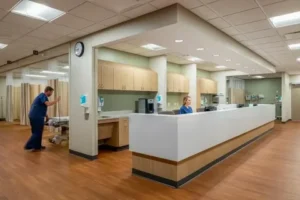
For example, office building projects often focus on interior layouts and functionality. Industrial builds may require reinforced concrete, heavy electrical systems, and specialized mechanical infrastructure. These differences directly affect pricing and construction timelines.
Tenant Improvements and Renovation Costs
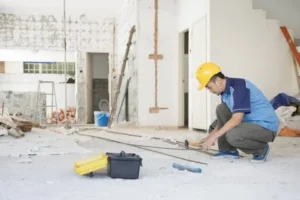
Tenant improvement projects can range from simple cosmetic upgrades to full structural modifications. Cost depends on how much demolition, rebuilding, and infrastructure work is required. Minor interior upgrades typically cost less than a complete reconfiguration.
Commercial remodeling services often involve plumbing changes, HVAC updates, electrical improvements, and layout modifications. While renovations may cost less than new construction, hidden structural issues can still affect budgets.
Material Choices Influence Budget
Material pricing constantly changes due to supply chain conditions and market demand. Steel, concrete, roofing materials, glass, and specialty finishes all impact overall construction cost. Premium materials generally increase initial investment but may reduce maintenance expenses later.
This is especially true for Commercial Construction Services in Clovis, CA, where local availability, labor demand, and permit requirements can influence project pricing. Working with experienced local commercial builders helps improve cost forecasting and material planning.
Licensed Contractors Reduce Expensive Mistakes
Hiring experienced professionals often saves money over time. Inexperienced contractors may underestimate costs, mismanage schedules, or overlook compliance requirements, leading to expensive corrections later.
Working with licensed construction contractors ensures projects meet code requirements, safety standards, and structural expectations. Proper execution reduces delays, rework, and liability risks throughout the project lifecycle.
Metal Building Construction Costs
Metal buildings are popular for warehouses, storage facilities, and industrial spaces because they offer speed, durability, and long-term value. Costs depend on size, steel pricing, insulation requirements, and structural customization.
Metal building construction often delivers faster project timelines compared to traditional methods. Faster completion can reduce labor expenses and accelerate occupancy, improving overall return on investment.
Commercial Roofing and Exterior Systems
Roofing is another major construction expense. Roofing material, insulation, drainage systems, and structural support requirements all influence final cost. Commercial roofing contractors evaluate these factors during planning.
Choosing durable roofing systems may require a higher upfront investment, but it often reduces maintenance and replacement costs over time. Long-term performance should always be part of budget planning.
Benefits of Professional Construction Consulting
Working with experienced consultants improves financial planning and project efficiency.
- Better budgeting: More accurate early cost estimates
- Lower risk: Fewer surprises during construction
- Smarter decisions: Better material and scheduling choices
Construction consulting services help align project goals with practical budget expectations while reducing costly errors.
Why Unexpected Costs Happen
Unexpected costs usually result from incomplete planning, design changes, permit delays, or hidden site conditions. Soil issues, structural deficiencies, or utility complications often remain undiscovered until construction begins.
This is why thorough pre-construction analysis matters. Early site evaluation and risk assessment help identify possible challenges before they disrupt schedules or budgets.
Why Choose Hamel Development?
Construction projects demand experience, precision, and dependable leadership. Hamel Development has delivered trusted development and construction management services since 2002, helping clients complete projects efficiently and confidently.
Our team prioritizes transparency, communication, and proactive planning. We focus on realistic budgeting, efficient scheduling, and quality execution to deliver successful commercial projects with fewer surprises.
What Makes Commercial Construction Services Worth the Investment?
A well-executed commercial project creates long-term value beyond initial construction costs. Better layouts improve productivity. Strong materials reduce maintenance. Efficient design lowers operating expenses.
Investing in Commercial Construction Services means investing in durability, performance, and future growth. Quality construction supports long-term operational success while protecting capital investment.
Schedule a Commercial Construction Consultation Today
If you are planning a commercial development, renovation, or tenant improvement project, the best time to discuss costs is before construction begins. Early planning creates better budgets and stronger decision-making.
Contact Hamel Development today to discuss your project goals. Our experienced team provides reliable guidance, transparent planning, and professional construction management designed to maximize long-term value.
Conclusion
Commercial construction costs depend on many moving parts, including project size, materials, labor, design complexity, and management quality. While pricing varies, proper planning is the key to avoiding costly surprises and maintaining budget control.
Hamel Development proudly provides trusted commercial construction solutions in Clovis, CA. From development and tenant improvements to full construction management, we help clients build with confidence, efficiency, and lasting value.
FAQs
What is the average cost of commercial construction?
Commercial construction costs vary widely depending on project type, size, materials, and location. Smaller renovations may cost significantly less than new ground-up developments.
Why do commercial construction budgets increase?
Budgets often increase because of design changes, material price fluctuations, labor shortages, or unexpected site issues discovered during construction.
Are tenant improvements expensive?
Tenant improvement costs depend on project complexity. Cosmetic upgrades cost less, while structural modifications involving plumbing, HVAC, or electrical systems cost more.
Does construction management reduce costs?
Yes. Professional construction management improves scheduling, coordination, and budget control, reducing delays and costly mistakes.
When should I contact a construction company?
The earlier, the better. Early consultation improves budgeting, planning, feasibility analysis, and overall project execution.