 Skip to content

Organizing trustworthy doctor office renovation services in Fresno, CA is easy if you follow this thorough guide on the scope, the build process, cost drivers, and contractor vetting.
Medical practices across Fresno often outgrow their office layouts faster than the providers expect. A two-physician family practice that started in 2,000 square feet now needs four exam rooms, a dedicated lab draw area, and a waiting room that actually fits patients during flu season. A dental clinic that added implant services suddenly needs CBCT room shielding and updated sterilization workflows. The pressure to renovate builds gradually, then becomes urgent.
That is where specialist crews like Hamel Development, Inc step in, handling the regulatory layers, infection-control protocols, and workflow updates that general contractors often miss. Picking Reliable doctor office renovation services in Fresno, CA can mean the difference between reopening on schedule and watching patient appointments slide by three months. Anyone searching for the Best medical facility renovation services in Fresno, CA should know what makes clinical renovations different from standard office work and where the common pitfalls hide.
This guide walks you through why these projects matter, the renovation scope options, the work sequence, what shapes the budget, and how to vet a contractor with real medical experience.
Why Central Valley practices invest in proper renovation work
Medical office spaces face a unique mix of pressures. Patient volume changes shift workflow needs, equipment upgrades require new infrastructure, accessibility standards keep evolving, and infection-control standards have tightened across the profession since the 2020 public health era. Most Fresno-area practices that opened before 2010 carry layouts that no longer match how modern care gets delivered.
What pushes a practice owner to actually start a renovation? Patient flow comes first. Cramped waiting rooms, narrow corridors that block wheelchair access, and exam rooms too small for modern equipment all slow down the daily schedule. Slow scheduling means fewer billable visits per provider, which adds up fast across a year.
Code compliance plays the second-biggest role. The California Building Code Chapter 11B sets accessibility requirements that often surface during permitted remodel work. Older medical offices around the Fresno High area, Fig Garden, and Sunnyside often need ADA path-of-travel upgrades, restroom modifications, and door clearance changes once a renovation permit gets pulled.
Staff retention plays a quieter role. Practices with tight, dated workspaces lose staff to clinics offering better daily environments. Updated breakrooms, modern nursing stations, and proper sterilization workflows all help keep good medical assistants and nurses on the team.
According to the U.S. Census Bureau Construction Put-In-Place data (2024), private healthcare construction spending in the Western U.S. grew over eight percent year over year. Much of that growth comes from medical office renovations rather than new builds. Practice owners shopping for Reliable doctor office renovation services in Fresno, CA often start the conversation when patient volume hits a ceiling that physical space cannot break.
Renovation scope options and finish choices for clinical spaces
Picking the right renovation scope shapes how disruptive the project becomes and how much the practice can keep operating during construction. Each option carries its own balance of cost, timeline, and patient impact.
Cosmetic refresh projects sit at the lighter end. Paint, flooring, light fixtures, casework refacing, and updated graphic signage all fall in this category. These projects often wrap in three to five weeks and rarely require full practice closure.
Functional reconfiguration adds layout changes. Moving a wall to enlarge an exam room, converting a storage closet into a phlebotomy draw station, or adding a small procedure room all fit here. These projects need permits, careful workflow planning, and usually phased construction to keep the practice partially operating.
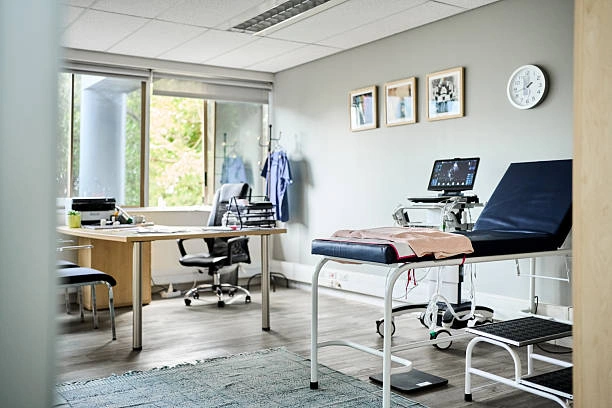
Full clinic remodels handle the biggest scope changes. Tear-out to studs, full mechanical and electrical replacement, new exam room layouts throughout, updated reception and waiting areas, and complete code upgrades all happen at once. These projects often run twelve to twenty-four weeks and typically require full practice closure or phased operation across multiple weekends.
Finish materials matter as much as layout in medical spaces. Sheet vinyl flooring with heat-welded seams from brands like Armstrong Medintech, Tarkett iQ Granit, and Mannington BioSpec resists biological staining and stands up to cleaning chemicals. Antimicrobial wall coverings, solid-surface countertops, and integral cove base reduce mold and bacteria growth in clinical zones. A team handling the Best medical facility renovation services in Fresno, CA matches each finish to the actual room use rather than spreading the same material everywhere.
| Renovation Scope | Typical Timeline | Patient Disruption | Best For |
| Cosmetic refresh | 3-5 weeks | Low | Aging finishes, branding update |
| Functional reconfiguration | 6-10 weeks | Medium | Workflow upgrades, room changes |
| Specialty conversion | 8-14 weeks | Medium-high | Procedure rooms, imaging |
| Full clinic remodel | 12-24 weeks | High | Major restructuring, growth |
The renovation sequence from first walk-through to reopening day
Every medical office renovation moves through more stages than a typical office build. Each step matters for patient safety, clean inspections, and operational continuity.
Pre-construction planning kicks things off. The contractor meets with the practice administrator, providers, and any equipment vendors to map current workflow against the new layout. For Fresno-area practices, this stage often covers HVAC capacity verification since older buildings may not handle the additional cooling load from new imaging equipment or expanded exam room counts.
Design and permit submission follow. The City of Fresno Building and Safety Division reviews permit applications for medical office renovations under the California Building Code. Plan review for routine clinic remodels usually takes six to twelve weeks. Adding sterile rooms, imaging suites, or ambulatory surgery functions triggers additional review and may bring HCAI involvement for certain occupancy classifications.
Phasing and infection control protocols come together before any demolition. Infection Control Risk Assessment (ICRA) barriers separate active work from any patient-care zones that remain operational. Negative-pressure containment, HEPA-filtered work zones, and daily clean-down protocols keep dust and contaminants away from the operating side of the practice.
Demolition, rough-in, and inspections fill the middle of the project. Old finishes come out, walls open for new framing or removal, plumbers reroute lines for new sinks and casework, electricians pull new circuits for medical equipment, and HVAC techs adjust ductwork for proper pressure relationships. A licensed contractor in Fresno County we work with put it plainly: “Every conflict caught at rough-in saves a week of finish-stage rework. Inspection day is just confirming what we already verified.”
FAQ’s
How long does a typical doctor office renovation take in Fresno?
Most cosmetic refresh projects in the Fresno area run three to five weeks. Functional reconfigurations with permitted layout changes typically run six to ten weeks. Full clinic remodels can stretch from twelve to twenty-four weeks depending on scope, occupancy phasing, and any specialty equipment installs that require coordination with medical vendors and inspectors.
Do medical office renovations in Fresno require permits?
Yes, the City of Fresno Building and Safety Division requires permits for any renovation that touches plumbing, electrical, mechanical, structural elements, or layout changes. Cosmetic-only refreshes like paint and flooring may not require a permit. ADA upgrades often get triggered once a permit is pulled, even when the original scope did not include accessibility work.
What pushes Fresno medical office renovation costs higher than expected?
Mechanical and electrical scope drives most cost surprises, since medical HVAC, isolated power for equipment, and proper sink and drain plumbing run far above office systems. ADA path-of-travel upgrades, Title 24 energy compliance, lead shielding for imaging rooms, and phased construction to keep practices operating during work also add real cost to most proposals.
How long do clinical building systems hold up in Fresno’s summer heat?
Properly sized medical HVAC systems handle Fresno’s 100°F-plus summers for fifteen to twenty years when installed with proper sizing and ventilation calculations. Rooftop units rated for high ambient operation, oversized cooling capacity for procedure rooms, and reflective roof membranes all extend equipment service life. Annual maintenance contracts keep the systems running across long Central Valley cooling seasons.
Conclusion
Picking a contractor who knows healthcare construction from day one and asking the right questions will lead to a successful medical office renovation. Try to compare scope options; review permit pathways; verify CSLB licenses; read every proposal in detail. Fresno’s culmination of permit timelines, summer heat loads and accessibility requirements rewards planning ahead by practice owners. Contact Hamel Development, Inc upon ready to get started for a free consultation on your project. The team will go over scope options, achievable timelines, and what your practice will need without pressure.


