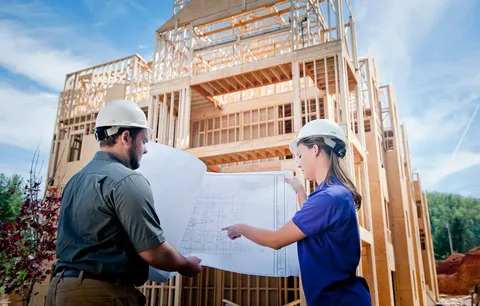
Construction projects require careful planning, clear communication, and consistent oversight. From the first design discussions to the final inspection, every stage involves important decisions. Property owners must manage budgets, coordinate contractors, select materials, and keep work on schedule. Without proper direction, small problems can quickly affect the entire project.
This is where reliable Construction Management becomes valuable. It brings different project activities together under one organized approach. Furthermore, it helps property owners understand their responsibilities and make informed decisions throughout construction.
Hamel Development, Inc understands the importance of organized project planning and dependable construction practices. A well-managed project requires attention to detail, realistic expectations, and cooperation between everyone involved. Moreover, professional guidance can help identify potential challenges before they become expensive problems.
In Sanger, CA, residential and commercial construction projects benefit from thoughtful preparation. Nearby communities such as Parlier also have building needs that require proper coordination. Therefore, understanding the construction process can help property owners prepare for successful results.
Understanding the Role of Construction Management
Construction projects involve several connected activities. Each stage requires planning, coordination, and attention. A project manager helps bring these activities together while keeping the overall project goals in focus.
Professional oversight supports communication between property owners, architects, engineers, contractors, and suppliers. Consequently, everyone can understand their responsibilities and work toward the same objectives.
Why Organized Project Oversight Matters
A construction project rarely follows a perfectly straight path. Weather conditions, material availability, design changes, and scheduling conflicts can affect progress. However, proper planning helps teams respond to these challenges.
An experienced manager monitors important project details and keeps decisions organized. For example, they can review project schedules, track expenses, and coordinate communication between different teams.
Additionally, good management helps property owners understand what happens next. This reduces confusion and supports better decision-making.
Key responsibilities often include:
- Defining project goals and expected results.
- Preparing realistic schedules and budgets.
- Coordinating contractors and suppliers.
- Monitoring construction progress.
- Reviewing quality and project documentation.
Furthermore, regular updates help property owners stay informed. They can discuss concerns, review completed work, and address changes before moving forward.
Overall, organized oversight creates a clearer construction process. It also helps maintain accountability from initial planning through project completion.
Planning Successful Projects With Professional Guidance
Good planning creates the foundation for a successful construction project. Before physical work begins, property owners should understand their goals, available resources, and project requirements.
A professional Construction Management approach helps connect these early decisions with the practical needs of the building process. It also gives project teams a clear direction.
Turning Construction Goals Into Practical Plans
Planning involves more than selecting a design or setting a completion date. It requires careful consideration of costs, materials, labor, permits, and site conditions.
For example, a residential development may require different planning decisions than a commercial building. Therefore, project teams should evaluate each requirement before construction begins.
Here are five practical planning considerations:
- Project scope: Clearly define the work, required features, and expected outcomes.
- Budget preparation: Estimate labor, materials, equipment, and additional expenses.
- Site evaluation: Review property conditions and possible construction limitations.
- Permit requirements: Identify applicable local building codes and approvals.
- Project scheduling: Establish realistic timelines for each construction phase.
Moreover, planning should include room for unexpected changes. Material delays or design adjustments can affect project costs. A reasonable contingency budget helps property owners prepare for these situations.
Likewise, regular planning reviews allow teams to compare actual progress with original expectations.
When everyone understands the project requirements, construction becomes easier to coordinate. As a result, teams can work with greater clarity and fewer avoidable misunderstandings.
Residential and Commercial Construction Management Solutions
Different construction projects require different levels of coordination. Residential developments focus on comfortable, functional living spaces. Commercial projects often involve business operations, accessibility, and more complex building requirements.
Reliable Construction Management Solutions service helps address these different needs through organized planning and project oversight.
Managing Different Types of Building Projects
Residential projects may include new home construction, property improvements, additions, and remodeling. Meanwhile, commercial developments can involve offices, retail spaces, and other business facilities.
A dependable Construction Management Company understands that each project needs a suitable approach. The team must consider the property’s purpose, construction requirements, and available resources.
Five important considerations include:
- Residential requirements: Plan layouts around daily living needs and practical use.
- Commercial requirements: Consider business activities, accessibility, and building regulations.
- Material selection: Choose suitable materials based on quality, durability, and budget.
- Contractor coordination: Keep different trades informed about project schedules.
- Quality reviews: Check completed work against approved plans and specifications.
Additionally, Residential Construction Management requires attention to details that affect long-term comfort. These may include room layouts, ventilation, lighting, insulation, and efficient use of space.
Property owners should also review proposed changes before approving them. Even small adjustments can influence labor requirements and project costs.
Ultimately, matching the management approach to the project type supports better organization and more informed decisions.
Maintaining Quality, Safety, and Construction Standards
Quality should remain a priority throughout every construction phase. A building may look complete on the outside, but important details often remain hidden behind walls, ceilings, and finished surfaces.
Therefore, regular inspections and careful documentation help confirm that work follows approved plans and applicable standards.
Building Quality Into Every Project Stage
A strong quality process begins before construction starts. Project teams should understand the drawings, material specifications, and required workmanship standards.
Furthermore, inspections should take place at suitable stages rather than only at the end.
Five useful quality practices include:
- Material verification: Confirm that delivered materials match approved specifications.
- Progress inspections: Review completed work before moving to the next stage.
- Code compliance: Follow applicable building codes and permit conditions.
- Safety planning: Establish site procedures and communicate safety responsibilities.
- Documentation: Maintain inspection records, approvals, and project updates.
In addition, construction teams should address concerns as soon as they appear. Delayed corrections may require additional labor or affect other parts of the building.
Safety also requires consistent attention. Workers need suitable training, protective equipment, and clear site procedures. Moreover, project leaders should encourage open communication about potential hazards.
Quality management does not mean checking every detail only once. Instead, it involves consistent reviews throughout the project.
When teams follow clear standards, property owners gain a better understanding of construction progress and completed work.
Budget Control, Scheduling, and Contractor Coordination
Budget and schedule management play major roles in construction success. Even a carefully designed project can face difficulties when expenses increase or work falls behind schedule.
A structured approach helps property owners monitor financial commitments and understand how different activities affect project progress.
Keeping Project Costs and Timelines Organized
Every construction project needs a realistic financial plan. However, estimates should account for more than the basic cost of labor and materials.
Additional expenses may include permits, equipment, transportation, inspections, and unexpected site conditions.
Five practical management steps can help:
- Track expenses: Compare actual spending with the approved project budget.
- Review schedules: Monitor milestones and identify possible delays.
- Coordinate contractors: Confirm responsibilities and work sequences.
- Manage changes: Review the cost and timeline impact of requested adjustments.
- Maintain communication: Share progress reports and discuss important decisions.
Moreover, a reliable Construction Management Company can help organize communication between contractors and property owners.
For instance, electrical, plumbing, and framing work often depend on proper scheduling. If one activity falls behind, other trades may need to adjust their plans.
Similarly, early communication with suppliers can help teams prepare for material availability issues.
Property owners should request clear estimates and written agreements before approving major work. They should also understand payment schedules and change-order procedures.
Consequently, regular financial and scheduling reviews make it easier to recognize problems early and evaluate possible solutions.
Choosing the Right Construction Management Approach
Selecting the right management approach requires understanding the project’s size, complexity, and specific requirements. Some projects need extensive coordination, while smaller improvements may require a more straightforward arrangement.
However, every project benefits from clear responsibilities, realistic expectations, and consistent communication.
What Property Owners Should Evaluate
Before selecting a construction management provider, property owners should review several important factors.
Five useful evaluation points include:
- Relevant experience: Look for experience with similar project types.
- Communication: Choose a team that provides understandable and regular updates.
- Project planning: Review how the team handles schedules, budgets, and responsibilities.
- Quality standards: Ask how inspections and construction requirements are addressed.
- Documentation: Confirm that agreements, approvals, and project changes receive proper records.
Additionally, ask questions about how the team handles unexpected delays or budget adjustments. Clear answers can help establish realistic expectations.
Hamel Development, Inc recognizes the value of thoughtful project coordination and careful planning. Property owners in Sanger and surrounding communities can benefit from understanding these management principles before starting a building project.
Furthermore, Residential Construction Management in Parlier, CA can help organize homebuilding activities around practical requirements, construction schedules, and quality expectations.
Supporting Construction Projects in Sanger and Parlier
Property owners planning developments in the Central Valley should consider local site conditions, applicable regulations, material availability, and contractor schedules.
For example, reliable Construction Management Solutions in Sanger, CA can help bring planning, budgeting, and construction coordination into one organized process.
Likewise, projects in Parlier, CA, benefit from clear expectations and regular communication between everyone involved.
Making informed decisions early can help property owners approach construction with greater confidence.
Conclusion
A successful construction project starts with a clear plan and continues through consistent coordination. Every stage requires attention to budgets, schedules, materials, quality, and communication. Therefore, property owners should understand the importance of organized project oversight before beginning construction.
Professional guidance can help identify potential challenges, coordinate different contractors, and maintain clear project expectations. Moreover, regular progress reviews allow property owners to make informed decisions when circumstances change.
For property owners considering new developments or residential improvements, reliable Construction Management Solutions in Sanger, CA offer a practical way to approach project planning and coordination. Nearby Parlier, CA, also has construction needs that benefit from thoughtful preparation and organized oversight.
Choosing a suitable management approach involves reviewing experience, communication practices, project requirements, and quality standards. Additionally, written agreements and realistic budgets help establish a stronger working relationship between property owners and construction professionals.
Hamel Development, Inc understands that every building project deserves careful consideration. By focusing on planning, coordination, and responsible construction practices, property owners can create a stronger foundation for their projects.
Ultimately, good construction management is about making informed decisions at every stage. With clear goals and consistent oversight, building projects can move forward in a more organized and confident manner.
FAQs
What does construction management involve?
Construction management involves planning, coordinating, and overseeing building activities. It includes budgeting, scheduling, contractor coordination, quality reviews, and project communication.
Why is construction management important for property owners?
It helps property owners organize project activities, monitor expenses, address potential delays, and maintain clear communication with construction teams.
What types of projects require construction management?
Residential homes, commercial buildings, property additions, remodeling projects, and new developments can all benefit from professional project coordination.
How does construction management help control project costs?
It helps track expenses, review estimates, monitor changes, and identify potential budget concerns before they create larger financial problems.
When should I arrange construction management services?
Ideally, arrange management support during the early planning stage. Early involvement helps establish project goals, budgets, schedules, and responsibilities before construction begins.